
Find Your Stillpoint: Structural Bodywork, Massage, and Movement Coaching in Millcreek (Salt Lake City, Utah)
Reduce chronic pain and tension with Structural Bodywork and Massage in Utah — then keep the change with simple Calisthenics-based movement coaching.
Built for people who’ve tried massage/PT before and still feel stuck in the same pain patterns.
I work with clients in Millcreek, Salt Lake City, and across the Wasatch Valley/Utah area who are dealing with chronic or recurring pain and want a mix of massage, structural bodywork, and movement coaching
Structural Bodywork, Relaxation Massage, and Movement Rehabilitation Services in Utah
Stillpoint Alignment helps shift you from a pain-negative cycle (bracing, tightness, compensation) into a pain-positive state —where your body can relax, sense, and move again.
I work with clients in Millcreek and serving Salt Lake City and the Wasatch Valley (including Cottonwood Heights, Murray, Sandy, and Draper).
Mobile Massage, Structural Bodywork, and Personal Fitness/Private Coaching sessions are customized for your situation - Serving cities along the Wasatch Valley of Salt Lake County, Utah County, and Davis County. Click here to read more about mobile massage services.
- West Jordan
- Taylorsville
- Midvale
- West Valley City
- Downtown Salt Lake City
- The Avenues
- South Salt Lake City
- Sandy
- Draper
- South Jordan
- Bountiful
- West Bountiful
- Woods Cross City
- North Salt Lake
- Centerville
- Farmington
- Layton
- Ogden



Movement Rehabilitation and Calisthenics Training
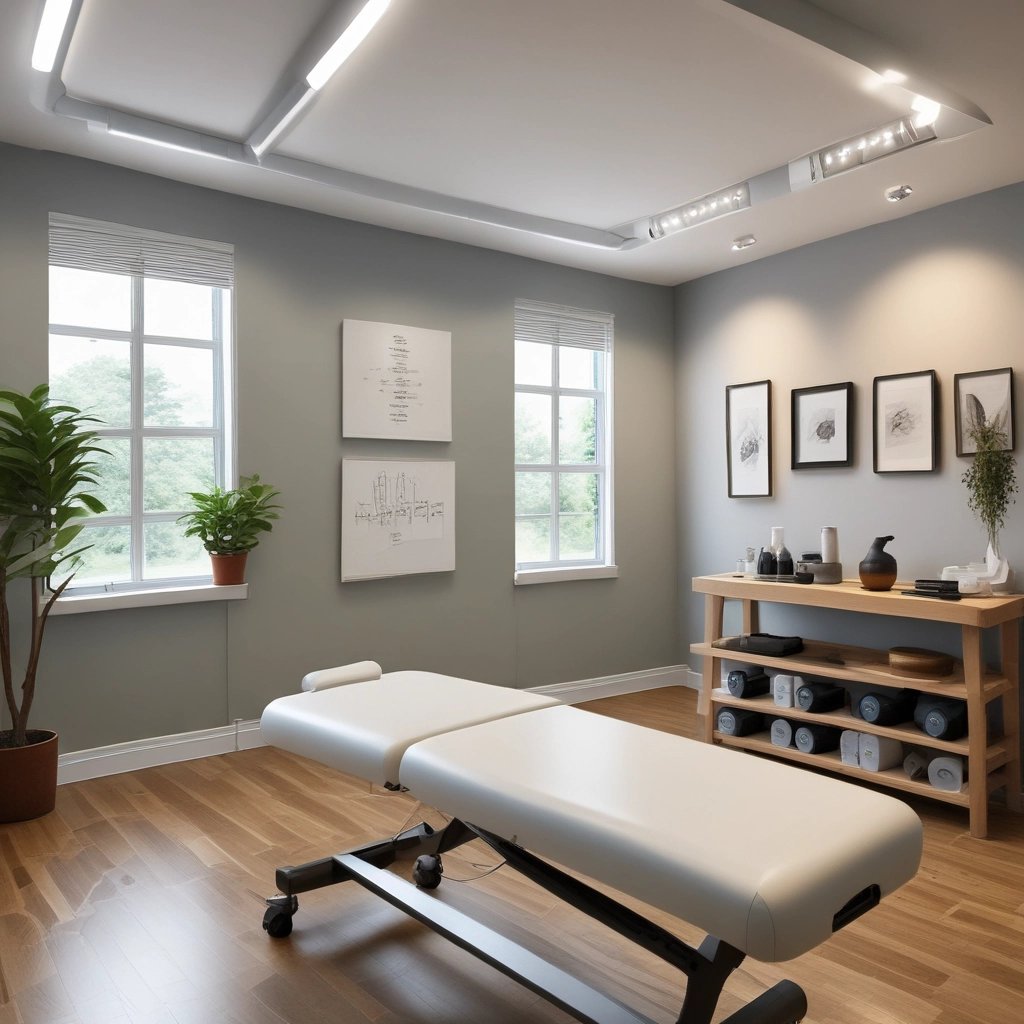
Structural Bodywork and Massage Therapy
The Zen of Stillpoint Alignment
Experience hands-on bodywork plus movement practice — an artful, practical approach for people stuck in pain cycles who want real change
Structural bodywork + Massage to downshift your nervous system, improve mobility, and reduce pain
• Calisthenics fundamentals (bodyweight training) to rebuild strength, posture, and proprioception (mind–muscle connection).
• You leave with simple movements you can actually do — so relief doesn’t fade as soon as life gets busy.
What is Stillpoint Alignment?
Stillpoint Alignment is a practical pairing: Structural Bodywork + Movement coaching. The hands-on work helps reduce pain and tension and gives your nervous system a chance to “let go.” The movement work (Calisthenics — fancy for bodyweight training) teaches your body how to keep the change once you’re off the table.
I built this because of my own story with pain. In 2010, I was in a double car collision that left me dealing with low back pain. Massage therapy and chiropractic care helped me feel better, but what really changed my trajectory was what I learned: muscles, fascia (connective tissue), and the nervous system don’t operate separately. They work together to hold your structure, manage stress, and decide how safe it feels to move.
Stillpoint isn’t a ‘method,’ a rigid program, or a new style I’m trying to brand. I’m not here to sell you a perfect posture fantasy. I’m here to help you move out of a pain-negative cycle (bracing, compensation, tightness) and into a pain-positive state, where your body can relax, sense itself, and rebuild confidence through practice.
The spirit of Stillpoint Alignment is simple: restoration, self-knowledge, then training the new pattern so it lasts. We start with relief (hands-on work), then we keep what proves useful for your body through simple movement practice.
The goal isn’t perfect posture — it’s a nervous system that feels safe enough to move without constant negotiation.
Bruce Lee has inspired my story because his 'Jeet Kune Do' principle is simple: “using no way as way; having no limitation as limitation.”
Translated into healing: we keep what works for your body, discard what doesn’t, and train the new pattern until it becomes yours — not just something that happens on my table. He trained like a scientist and thought like an artist.
If you want to learn about my personal journey and philosophy about Stillpoint Alignment, you can read more About Me.
What is the goal of Stillpoint Alignment?
The goal is simple: help you feel better today—and build the skills to keep getting better tomorrow.
Pain and stress often live as patterns: bracing, guarding, compensation, and reduced movement. Over time, those patterns can start to feel like “you,” even when they’re just habits your nervous system learned to protect you.
Stillpoint Alignment aims to shift you from pain-negative to pain-positive by working with the systems that actually drive change: tissue quality (massage/structural work), nervous system tone, and movement practice. Gravity is universal. The way you train your body to meet gravity is optional — and that’s where the opportunity is.
For you, that can look like: fewer flare-ups, easier daily movement, and a body you can actually trust under stress.
My hope is Stillpoint Alignment can help you find your Stillpoint (balance and restoration) through awareness and self-knowledge.
What are the principles of Stillpoint Alignment?
The principles are simple: better input → better output.
We pair bodywork (Massage + Structural work) with Calisthenics-based movement to build proprioceptive awareness — fancy for “mind–muscle connection.” That connection is what helps you move with less fear, less bracing, and more control.
Here’s a quick thought experiment: People love to say “fix your posture.” But how do you fix something if your body has been living in compensation for years? If your nervous system has been quietly negotiating with gravity, stress, and old injuries, posture isn’t a command — it’s a reflection of your habits.
This is why fascia matters. Fascia is the connective tissue network that helps transfer force and communicate sensation throughout the body. If you want a picture, think: Muscles are like the Twizzlers peel-pull ropes (the candy) … and fascia is the cotton-candy gluing fibers around and between them. When life gets painful or stressful, those fibers can start acting protective — tightening the pattern and making movement feel limited.
Bodywork helps reduce the “noise” in the system. Movement teaches the new pattern, so it sticks.
If you would like to learn about my philosophy and personal story about Stillpoint Alignment (posture, gravity, and the full candy metaphor), please visit my About Me page.
What is Stillpoint Alignment going to do help me?
What Stillpoint Alignment helps you change
Stillpoint helps you interrupt the “pain loop” (neural feedback loop) — the bracing, guarding, and compensation your nervous system learned to keep you safe — and replace it with a pattern you can actually maintain.
Here’s the promise in plain language:
• Less pain and tension (so your body stops fighting you)
• More mobility and control (so movement feels safe again)
• A simple practice you can repeat (so results don’t disappear after a good session)
What to expect (first 2–4 visits)
1.) Assessment (10–15 minutes)
Posture + movement screen, plus a quick conversation about your goals and your current pain pattern.
2.) Hands-on work (the “relief” phase)
Structural Bodywork / Massage to improve tissue quality and calm the protective pattern.
3.) Movement practice (the “keep it” phase)
You leave with 1 – 3 calisthenics-based movements that match your current level — Adaptive pain management, no ego lifts, no fantasy “perfect posture.”
How we measure progress (so it’s not vague)
I track what matters:
• Your pain rating + triggers (0–10 scale)
• Range of motion / mobility markers that relate to your symptoms
• Function: sitting, standing, walking, training, working, sleeping
• Movement quality: breathing, bracing, balance, and control
Movement — especially simple calisthenics fundamentals, is the building block for everything we do here. Instead of trying to “fix posture” by sheer willpower, we use repeatable movements to retrain how your nervous system organizes your body under stress, fatigue, old injuries, and gravity.
Structural bodywork helps reduce guarding and tension in your tissues. Movement practice gives your brain new options, so you don’t automatically fall back into the same bracing pattern every time life gets heavy.
You don’t need to learn handstands or live in planks to benefit from this work. Those shapes just show that many positions in life — standing, pushing, reaching - share similar lines of support in space. The point isn’t the trick; the point is your ability to feel, control, and trust your own alignment.
Stillpoint Alignment uses calisthenics “training blocks” as a simple language for your own connective tissue — your mind–muscle connection. As you learn a handful of movements that match your lifestyle, they become tools you can take anywhere, which is far more powerful than just telling yourself to “sit up straight.” You can get a feel for these in The Library of Stillpoint — short pieces where I break down how movement and bodywork fit together.
At Stillpoint Alignment, I’m Tai Ly — Licensed Massage Therapist, NASM Certified Personal Trainer, and Structural Integration practitioner. I help connect the dots between relief on the table and real-life movement. If that sounds like the kind of work you’ve been looking for, you can book a session through the online scheduler.
How do I get started with Stillpoint Alignment, how soon, and what should I expect?
If you’ve made it this far and Stillpoint Alignment sounds like a fit, you can skim the services overview or jump straight to booking. Here’s how getting started works.
1.) Book your session.
Use the online scheduler to pick a time. You’ll get a short intake/liability form and a pain-management/goals worksheet so we can hit the ground running.
2.) First visit: assessment + relief.
We do a postural and mobility screen (your baseline snapshot), then customize your first hands-on session, either a more relaxation-focused massage or structural bodywork, depending on what your nervous system needs that day.
3). Follow-up visits: pattern change.
As we see what helps, we dial in the mix of massage and structural work and build a small library of calisthenics-based movements that fit your body, your schedule, and your goals.
If you’re curious about the deeper background; Ida Rolf’s Structural Integration work, the Ten-Series framework, and how different massage styles and movement tools fit into it, I break all of that down in The Library of Stillpoint page.
If you’re not ready to book yet, you can still stay in the loop by subscribing to The Corner of Stillpoint — a short newsletter on movement, bodywork, and mind–body skill-building.
Healing Through Movement
At Stillpoint Alignment, I pair massage therapy with calisthenics to ease pain and awaken your body’s natural flow.


I feel balanced and renewed.
Jin L.
"
"
Gallery
Moments of calm, strength, and healing captured.



Connect
Reach out to start your journey today